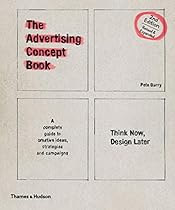
Advertising Concept Book (Second Edition)
| Author | : | |
| Rating | : | 4.34 (954 Votes) |
| Asin | : | 0500290318 |
| Format Type | : | paperback |
| Number of Pages | : | 296 Pages |
| Publish Date | : | 2015-06-03 |
| Language | : | English |

DESCRIPTION:
A must for any ad student This covers it all, in a way I've never seen before. As a graduate of one of the world's best graduate programs for advertising, I couldn't help but notice a good piece of my education could have been skipped if I'd read this earlier. It's my bible; I still reference it though I work at a top agency in NYC. Gold.. "Looks great" according to Book Lover. The point of this book is that the concept is king. Focus on great ideas, and only then should you focus on crafting them with whatever tools you need - PhotoShop, InDesign, and so on. To illustrate (excuse the pun) the point, every single ad in the book has been done as a pencil sketch (or comp, or scamp, or rough, depending on your preferred terminology). These sketches alone are beautiful. Steve Proctor said Cuts through the flash and glam, to the heart of effective ads. As Joe Sugarman explained, you need a great concept before you can write an ad. But far too many copywriters and designers focus on the wrong thing first: the flash, the glamor, the cleverness. But the purpose of advertising is to sell. That's it. (Just ask Claude Hopkins.) And what sells is an ad that speaks directly to the ideal customer. And it's the function of the ad concept to provide
"Sound advice for advertising creatives." (Communication Arts)
That's why this dedicated to the first and most important lesson: concept.Structured to provide both a complete course on advertising and a quick reference on particular topics, it covers every aspect of the business, from how to write copy and learn the creative process to how agencies work and the different strategies used for all types of media.This edition includes a substantially revised and expanded chapter on interactive advertising. Pete Barry outlines simple but fundamental rules about how to "push" an ad to turn it into something exceptional, while exercises throughout will help readers assess their own work and that of others. In creative advertising, no amount of glossy presentation will improve a bad idea. Fifty years' worth of international, award-winning ad campaigns - in the form of over 450 "roughs" specially produced by the author, fifty of which are new to this edition - also reinforce the book's core lesson: that a great idea will last forever.